How to Adjust to Life in Taiwan Faster: A Practical First 90 Days Playbook
By Raytio Ray
A practical playbook for adjusting to life in Taiwan: what months 1 to 3 feel like, the 5 things to do first, Mandarin schools, apps, friends and weather.
Adjusting to life in Taiwan: "be open-minded" is not a plan
Every expat forum tells you to be patient and open-minded. True, and useless. What actually speeds up adjusting to life in Taiwan is boring and concrete: paperwork done early, a daily routine in one neighborhood, a Mandarin plan with a start date, and two or three groups that meet every week. This is the playbook we give friends who just landed in Taipei.
What the first three months usually feel like
Most people follow a version of the classic culture shock curve, and knowing it helps you not panic.
- Week 1 to 2, the honeymoon: everything is cheap, safe and delicious. You take photos of convenience store food.
- Week 3 to month 2, the dip: the novelty wears off and friction shows up. You can't read the mail, the landlord only uses LINE, the bank wants a document you don't have, it rains for nine days straight. Small things feel heavy. This is normal, and it usually lands right when your paperwork is half finished.
- Month 2 to 3, the adjustment: you have a breakfast order, a route to work, and someone to text on Friday. Things start working without thinking.
The goal of everything below is to make the dip shorter and shallower.
If you do only 5 things in your first month, do these
1. Finish the paperwork in week one or two. ARC, bank account, phone number on a real plan. Almost everything else (delivery apps, Line Pay, rental contracts, NHI) depends on them.
2. Pick your "home base" spots: one breakfast shop, one convenience store, one traditional market, one gym, one laundromat or laundry shop. Go to the same ones on purpose.
3. Book a Mandarin course with a start date, not "I'll use an app."
4. Join two recurring groups, one with other foreigners and one mixed or local. Weekly is the magic frequency.
5. Set up the core apps (list below) so daily life stops needing help.
Get the paperwork done early
Paperwork is the bottleneck for everything else, so front-load it. The order that works for most people:
- ARC: see from visa to ARC for the steps and timeline. If you move later, remember to update your ARC address.
- Bank and phone: our guide to opening a Taiwan bank account and getting a phone plan covers what to bring, and which bank to choose covers the differences.
- NHI health insurance: if you are employed in Taiwan, your employer enrolls you from your first day of work. Students and dependents of non-employed residents usually wait until they have lived here for six months. Details in our NHI guide, and get private or travel insurance for the gap.
Build a neighborhood routine in month one
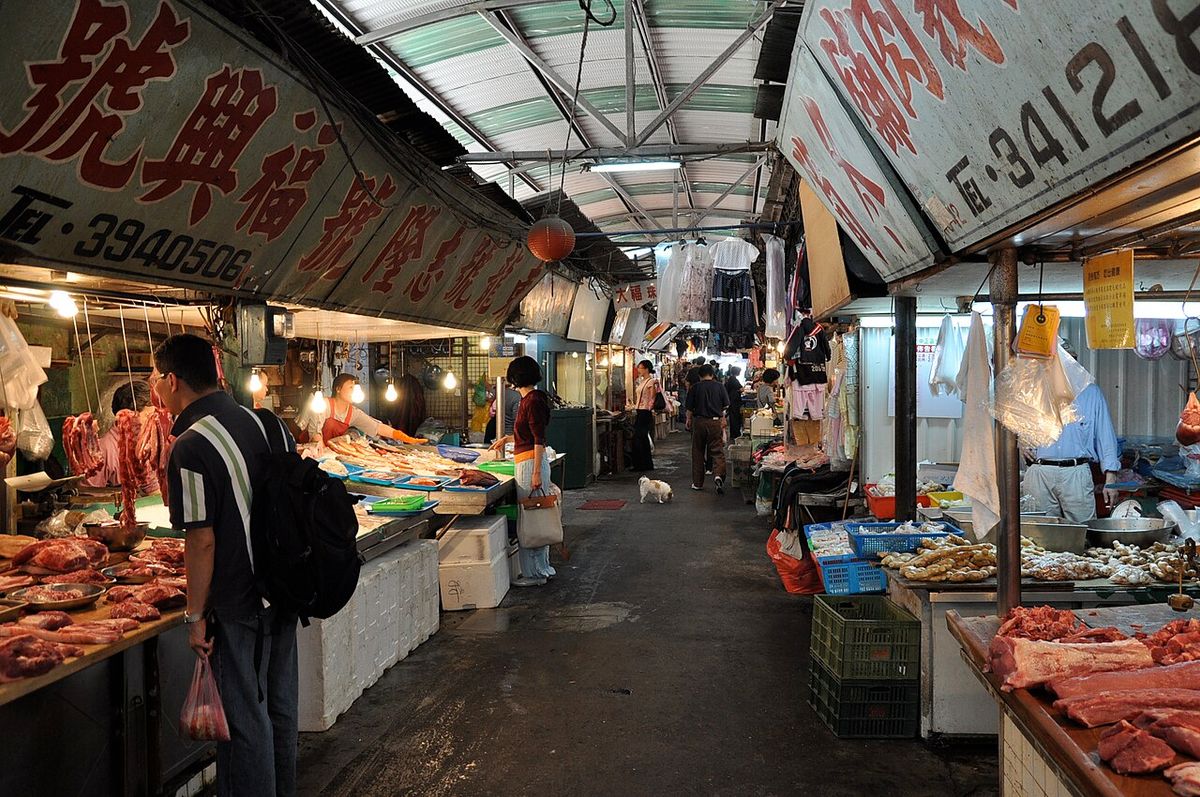
Photo: Banzai Hiroaki via Wikimedia Commons, CC BY 2.0
Taipei feels huge until you shrink it to a 10 minute walking radius. Within your first week, find:
- A breakfast shop (早餐店): the Taiwanese kind with a laminated menu, egg crepes (danbing) and milk tea, usually NT$50 to 100 for a full breakfast. Go every morning for two weeks and the owner will start your order when you walk in. That small recognition does more for homesickness than any video call.
- Your convenience store: you will pay bills, pick up parcels and print documents there. See what you can actually do at a Taiwan convenience store.
- A traditional market: go in the morning (most close by early afternoon). Point, smile, pay cash. For supermarkets, Costco and imported food, see where expats actually shop for groceries.
- A gym: World Gym and Anytime Fitness are everywhere, but the city sports centers (運動中心) in each district are the local secret: cheap pay-per-visit pools and gyms, no contract.
- Laundry: many older rentals have no dryer, and in humid months clothes won't dry indoors. A coin laundromat with dryers nearby is worth knowing on day one.
- Trash: learn your garbage truck time immediately. It's a whole ritual.
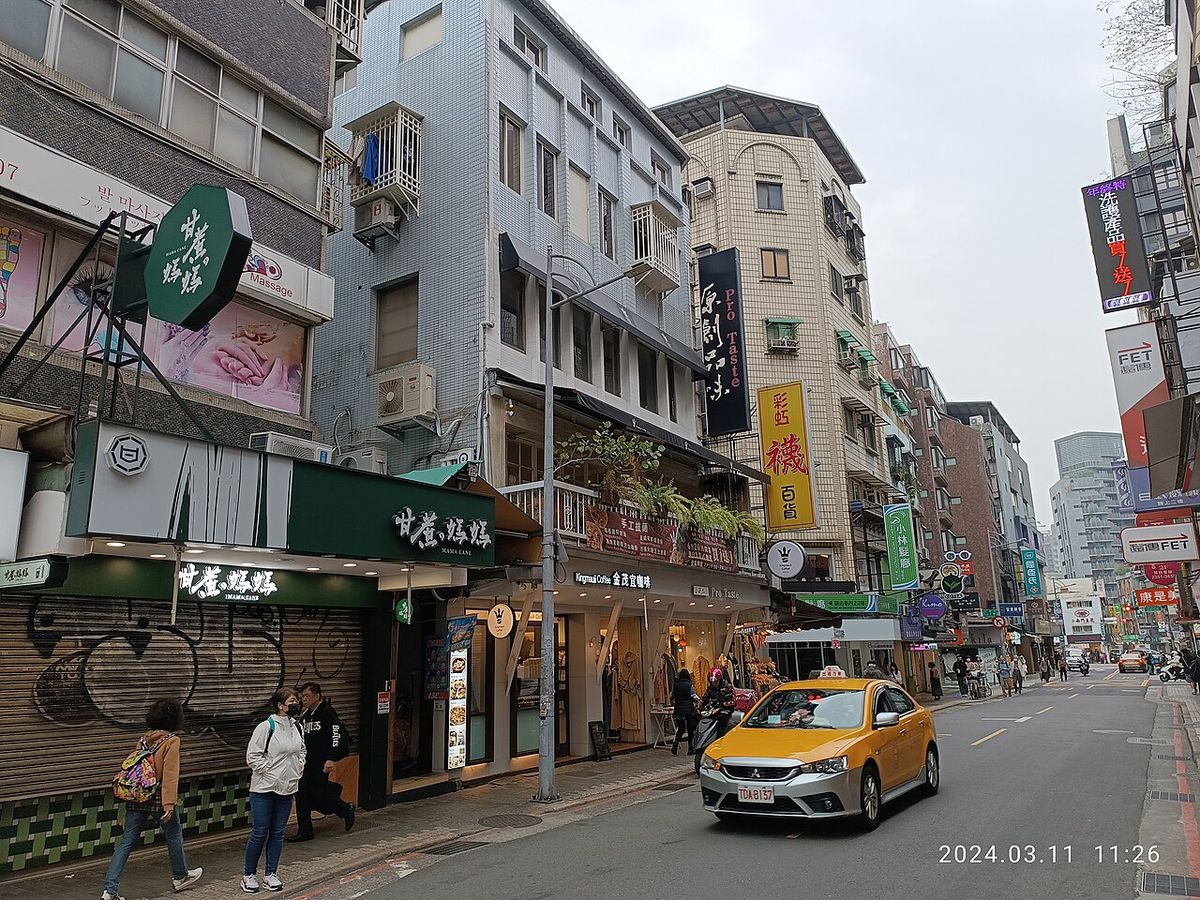
Photo: Wikimedia Commons, public domain
Learn survival Mandarin with an actual plan
Apps alone won't get you ordering at the market. Our pick: a real class for structure, plus one language exchange for speaking practice.
- NTNU Mandarin Training Center (MTC): the biggest and best known program in Taipei, near Guting and Taipower Building stations. Terms run about three months, with 2 or 3 hour daily classes. Budget for the registration fee (around NT$1,500), books and insurance on top of tuition, and check their website for current tuition because MTC announced a fee adjustment for the 2026 fall term.
- NTU Chinese Language Division (CLD): similar format at National Taiwan University, roughly NT$45,000 per quarter for the regular program, classes of 6 to 12. The intensive ICLP at NTU is far more expensive (around NT$170,000 per quarter) and aimed at serious academic learners.
- Huayu Enrichment Scholarship (HES): Taiwan's Ministry of Education pays international students a monthly stipend (NT$28,000 for the 2026 cycle) to study Mandarin here for 3 to 12 months. You apply from your home country through the local Taiwan representative office, usually in spring, so it's mainly useful if you are planning ahead or know someone who is.
- Language exchange: Tandem and HelloTalk work well in Taipei because lots of locals want English practice. Meet in a cafe, 30 minutes each language. Meetup also has regular language exchange nights.
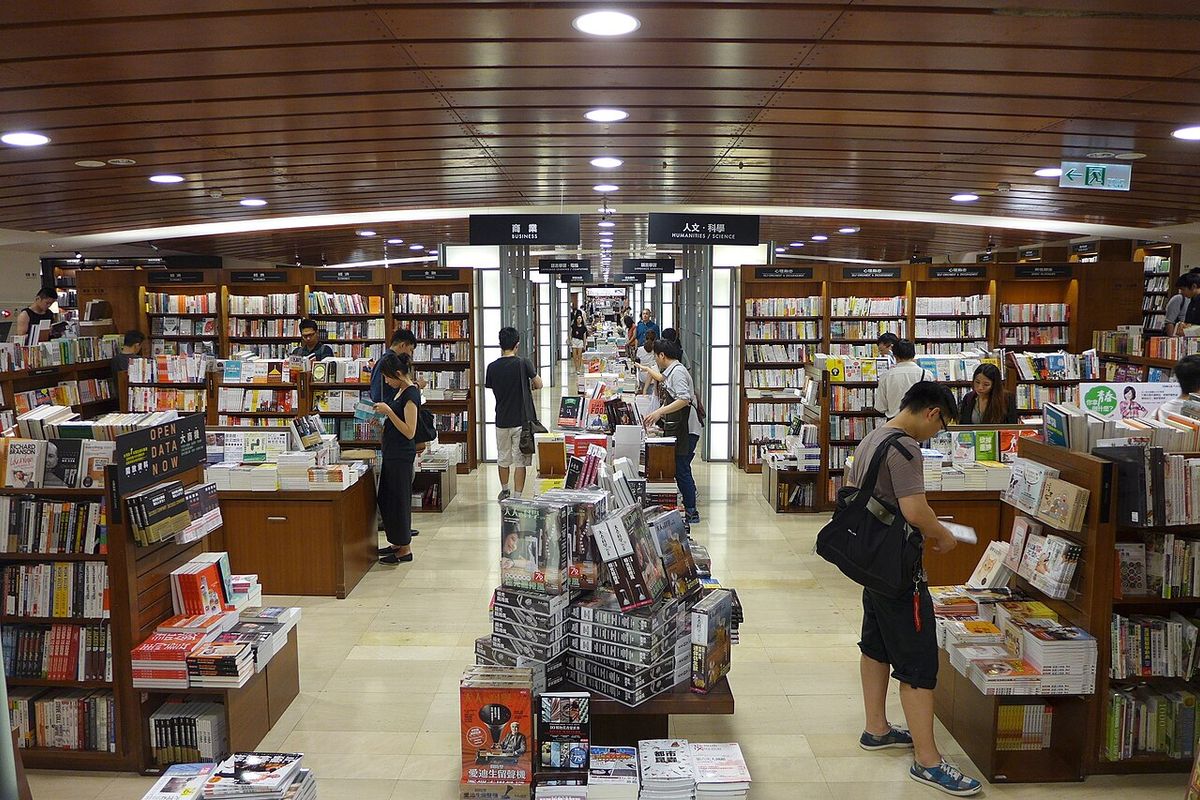
Photo: Wpcpey via Wikimedia Commons, CC BY 3.0
Target for month one: numbers, prices, "I want this" (我要這個), "no bag" (不用袋子), and your own address. That alone changes daily life.
How to actually make friends
Making friends in Taipei as a foreigner is easier than in most big cities, but only if you show up repeatedly. One-off events rarely stick.
- Facebook groups: Taipei Expats and similar groups are useful for questions, secondhand furniture and event listings. Read for a week before posting.
- Meetup: hiking, board games, language exchange, tech and startup events.
- Hiking groups: the fastest route into a mixed crowd. Start with our list of weekend hikes near Taipei.
- Sports leagues: ultimate frisbee, football, softball, rugby and running clubs all have active expat and mixed teams.
- International churches and volunteering: both have built-in weekly community, even if you're not religious about it.
- Co-working spaces: if you work remotely, a hot desk gets you colleagues, not just Wi-Fi.
- Classes: cooking, climbing gyms, dance. You see the same faces every week, which is exactly the point.
Bars with darts are one of the easiest low-pressure options: you're playing a game together, so there's always something to talk about, and regulars at a darts night quickly become familiar faces. Full disclosure: our team runs one, AI DARTS near Zhongxiao Dunhua, open 24 hours with no minimum spend and beginner-friendly machines. We wrote more about it in how expats make friends in Taiwan through darts.
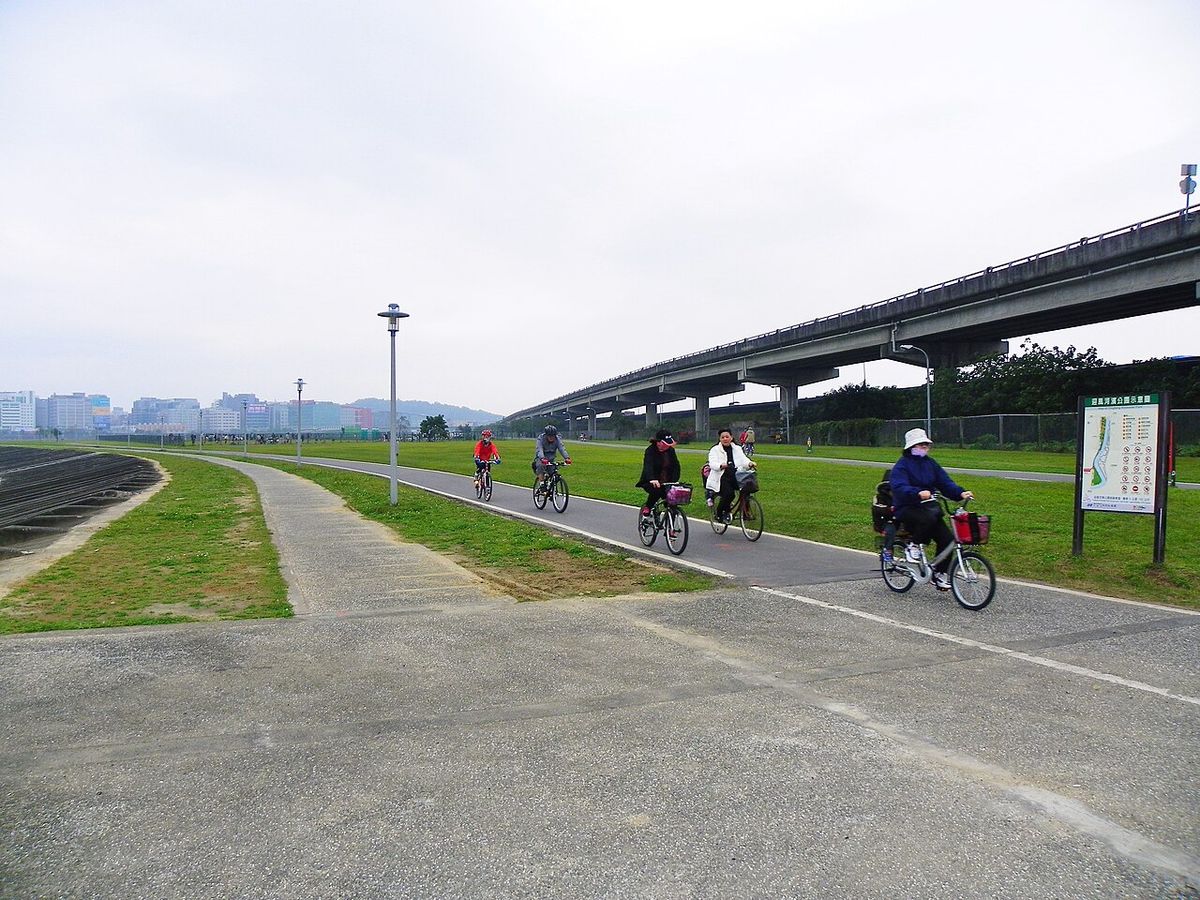
Photo: 玄史生 via Wikimedia Commons, CC BY-SA 3.0
The essential apps for living in Taiwan
- LINE: non-negotiable. Landlords, schools, clinics and friends all use it.
- Google Maps: works well for MRT, buses and restaurant hours.
- Taipei Metro Go: official MRT app, switch to English with the globe icon. Pair it with our MRT and EasyCard guide.
- TPASS: NT$1,200 for 30 days of unlimited MRT, buses and local trains across Keelung, Taipei, New Taipei and Taoyuan. If you commute daily, buy it.
- YouBike: the city bike share, tied to your EasyCard and phone number. Perfect for the riverside paths.
- Uber and 55688 (Taiwan Taxi): Uber is easiest in English; 55688 works best by pasting addresses.
- Foodpanda and Uber Eats: for rainy days and typhoon days.
- Shopee: cheap household stuff, delivered to your nearest convenience store for pickup.
- Line Pay and JKOPay: easier to set up once you have a local bank account and phone number.
Weather, food and homesickness
Humidity: buy a dehumidifier in your first month (Panasonic, Hitachi or a cheaper local brand, around NT$5,000 to 10,000). It's the single best purchase for comfort and for preventing mold. Our article on humidity, mold and typhoons explains what to check in your apartment.
Rain and typhoons: plum rain season runs roughly May to June, and typhoon season peaks July to September. Read what actually happens on a typhoon day before your first one.
Food: don't force yourself to love everything. Find three local dishes you genuinely like, then a supplier for home comforts (Costco, Carrefour, and imported grocers like Jason's and city'super). One familiar meal a week is a good homesickness valve.
Mental health: the dip is real. The Community Services Center in Tianmu offers counseling in English with counselors licensed by Taiwan's Ministry of Health and Welfare, on a sliding scale (capped around NT$3,500 per session). For doctors and clinics, see finding an English-speaking doctor, and save the emergency numbers now.
Practical signs you've adapted
- You check the weather app for humidity, not just temperature.
- Your breakfast shop knows your order.
- You can pay a bill at 7-Eleven without help.
- You have a weekly plan that doesn't depend on one person.
- A rainy week annoys you, but it no longer makes you question the move.
If you're also sorting out where to live, start with our first 72 hours checklist and the pre-arrival read on Taiwanese culture and etiquette. And if the apartment search is the thing dragging out your dip, TRA helps foreigners find a place in Taipei in person, and once you've moved in we can handle move-in cleaning and water filter installation, talking to your landlord in Chinese for you. See all our services.